
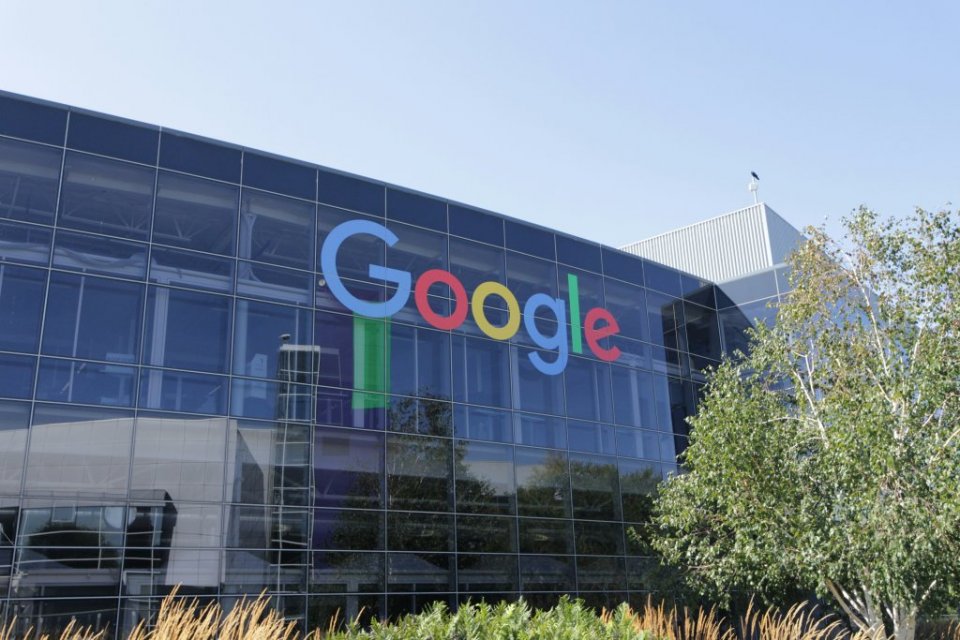
The European Union has imposed fines totalling €890 million on Google for breaching the bloc’s Digital Markets Act (DMA), marking the largest penalties handed to a single company under the landmark legislation and potentially reigniting tensions with the United States.
The European Commission announced two separate fines on Thursday in a statement.
Google was ordered to pay €460 million for unlawfully favouring its own services – including Google Flights, Google Hotels and shopping results – over rival platforms in its search engine. A further €430 million penalty was imposed after regulators found the company prevented app developers from directing users, free of charge, to cheaper offers, subscriptions or purchases available outside its Google Play store.
The EU Commission has also ordered Google to treat third-party services appearing in its search results in a ‘fair and non-discriminatory manner’ and to allow app developers to promote offers through their own websites or alternative app stores.
‘After this decision, we want to make sure that there is more competition and also other companies are able to innovate,’ EU technology chief Henna Virkkunen said.
EU competition commissioner Teresa Ribera added: ‘The best products should succeed because they’re better, not because they’re owned by the company running the search engine.’
Commission officials said consumers would directly benefit from the ruling, with one senior official noting: ‘Research results will be different in Europe. They will have to adapt their search engine going forward.’
The search-related fine follows a lengthy investigation that began in 2024 after the DMA came into force. Regulators said Google had continued to favour its own services over competitors, although they acknowledged the company had already begun testing changes to its search results that represent ‘substantial progress towards compliance’.
The second fine relates to Google’s Play Store practices between March 2024 and December 2025, during which developers were prevented from steering consumers towards cheaper offers outside Google’s marketplace.
Although the penalties are substantial, EU officials pointed out they amount to just 0.22% of Google’s annual global turnover, well below the DMA’s maximum possible fine of 10% of worldwide revenue. However, the Commission warned that Google must comply with its orders within 60 days or face additional ‘periodic penalty payments’.
Google strongly criticised the decision, arguing that the EU was forcing it to weaken products relied upon by European consumers and businesses.
‘Regulation should improve products, not make them worse,’ Google’s president of global affairs, Kent Walker, said.
Walker described the ruling as ‘product degradation driven by a small group of self-serving complainants’ and argued that the DMA forces Google ‘to strip away real-time Search features Europeans love — like instant pricing and direct availability for hotels, flights, and restaurants — and dismantle safety protections on Google Play’.
‘This isn’t fair competition,’ he added.
The latest penalties continue the EU’s long-running crackdown on Big Tech. Between 2017 and 2019, Google was fined a combined €8.2 billion under previous EU antitrust rules, before receiving another €2.95 billion fine in a separate competition case last September.
The DMA, introduced in 2024, is designed to curb the market power of the world’s largest technology companies by ensuring fairer competition and creating greater opportunities for smaller rivals to innovate.
The Commission has already used the legislation against other major US technology firms. Last year, Apple was fined €500 million over anti-competitive App Store practices, while Meta was ordered to pay €200 million over its ad-free ‘consent or pay’ model for Facebook and Instagram.
Google has the right to appeal the decision and may seek interim measures, including a suspension of the ruling while legal proceedings continue.
The fines also arrive at a politically sensitive moment, just days before the first anniversary of a tariff agreement that helped ease trade tensions between Brussels and Washington, and only hours before a series of temporary US global tariffs affecting around 60 countries were due to expire.
President Donald Trump’s administration has repeatedly accused the European Union of unfairly targeting American technology companies and has previously threatened retaliatory tariffs over the bloc’s digital regulations. Earlier this week, 25 Republican lawmakers urged Trump to use trade investigations and other measures against what they described as the EU’s ‘discriminatory’ digital rules.
EU officials, however, insisted the timing of the decision was unrelated to trade negotiations. One senior official said the bloc had the ‘sovereign right’ to regulate technology companies operating within its jurisdiction, while Ribera stressed that Europe’s responsibility was to ‘ensure that the regulation that is being adopted by our sovereign institutions is fully enforced and respected’.
She also noted that US authorities are ‘dealing with very similar approaches’ in their own competition cases against major technology companies.
Enjoying the news from Spain in English? Add us as a preferred news source in Google.
Subscribe to the Weekly Newsletter from Spain in English.
Today, we took two decisions finding non-compliance by Google with the DMA for self-preferencing its own services on Google Search, and for putting in place restrictions on businesses to direct consumers to alternative, often cheaper, purchase channels on Google Play. pic.twitter.com/i0DTsNDzwc
— Henna Virkkunen (@HennaVirkkunen) July 23, 2026
⚠️ We have fined Google €890 million for breaching the Digital Markets Act, by promoting their own services and restricting customer access to alternatives on Google Search and Google Play.https://t.co/zFChIQxKua pic.twitter.com/QTqdpS6dyY
— European Commission (@EU_Commission) July 23, 2026

Click here to get your business activity or services listed on our DIRECTORY.