
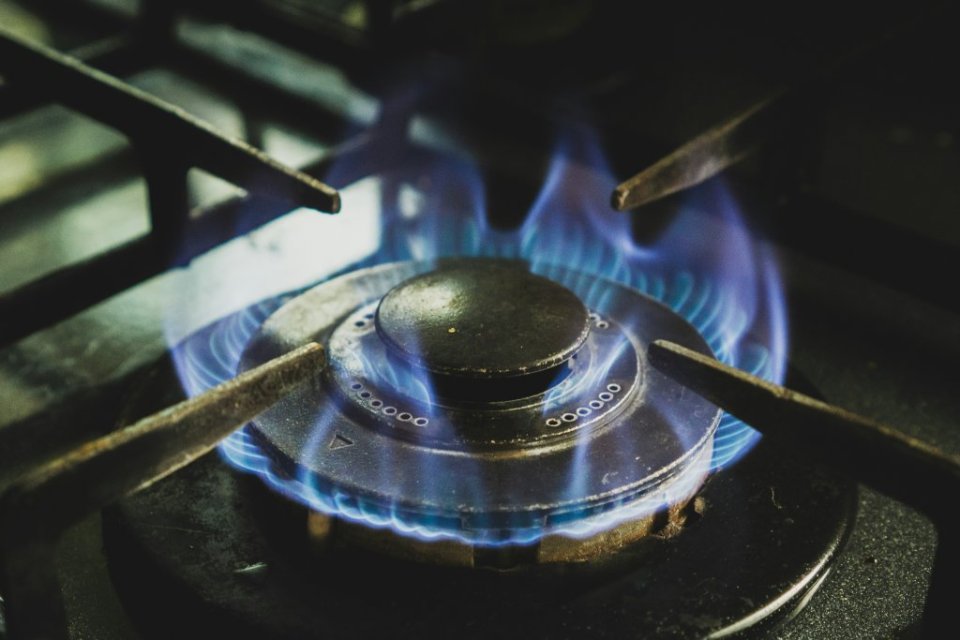
Spain’s government is preparing a third package of measures in response to the economic effects of the war in the Middle East, with a cap on the next increase in regulated household gas prices and a limit on the cost of butane cylinders.
The cabinet reviewed the package on Tuesday, as existing fuel discounts approach expiry and higher energy costs put pressure on households, industry, farming, fishing and transport.
Ecological Transition Minister Sara Aagesen said the increase in the regulated gas tariff, known as the tarifa de último recurso (TUR), would be limited to 15% for the autumn and winter. Without the measure, she said, the price paid by households on the tariff would rise by more than 45% from October. The price of a butane cylinder, used for cooking and heating in many homes, would be capped at €19.55.
‘These are essential measures to protect against this vulnerable situation,’ Aagesen told journalists as she arrived in Dublin for a meeting of EU energy ministers. She did not give a cost for the new measures. At the end of the first quarter of 2026, around 3.1 million customers – 39% of Spain’s gas customers – were on regulated rates, according to official figures.
Fuel support due to expire
The government has yet to set out the full details of its plans for petrol and diesel. The current discounts expire at the end of September, while the continued closure of the Strait of Hormuz is affecting energy markets.
Diesel prices in August were 30% higher than a year earlier, according to Spain’s National Statistics Institute (INE), while petrol prices had risen by almost 17%. The increase in energy costs has helped push annual inflation to 4.9% in September, its highest rate since February 2023. ALSO READ: Bank of Spain maintains growth outlook but raises inflation forecast amid Middle East tensions.
Economy Minister Carlos Cuerpo has pledged to maintain support for ‘citizens and businesses’. Over the past two weeks, he has met employers’ groups and trade unions representing sectors hit particularly hard by rising costs. Some have warned of protests or disruption to their activities if assistance is allowed to lapse. ALSO READ: As fuel prices surge in Spain amid war in Iran, economy minister vows to ‘protect citizens, businesses and workers’.
The UGT and CCOO unions have called for intervention in fuel prices, arguing that oil companies are increasing their profits during the crisis. ALSO READ: Spain joins four other EU nations in urging tax on energy firms’ windfall profits.
The hauliers’ association Fenadismer has also urged Cuerpo to intervene if the government retains the current form of fuel aid. It argues that having oil companies apply a reduction linked to hydrocarbon tax has increased their margins without passing the full benefit on to drivers.
Agricultural organisations ASAJA, COAG and UPA have threatened protests if support ending on 30 September is not extended. The Alliance for the Competitiveness of Spanish Industry has called for stronger measures, estimating that higher costs could amount to €7.4 billion for industry by the end of the year.
Winter brings a new focus on gas and electricity
With colder weather approaching and European gas reserves below levels seen in previous years, attention is shifting from road fuel to the cost of heating and electricity. The government also wants to prevent higher energy costs from feeding through into food prices and fuelling a further round of inflation.
Aagesen compared the planned response with measures used during the energy crisis following Russia’s invasion of Ukraine. The European Commission has asked member states to consider steps to reduce consumption, including limits on temperatures in public buildings and reductions in public lighting.
The government’s first package, introduced in March, contained around 80 measures costing an estimated €5 billion. According to the government, it helped 20 million households and three million businesses. ALSO READ: Spain unveils €5bn emergency package to offset energy shock from Middle East conflict.
A second decree replaced the initial VAT reduction on fuel – which had drawn objections from Brussels – with direct discounts on petrol and diesel. ALSO READ: Spain announces further €9bn to tackle Ukraine fallout, with fuel subsidy extended.
Earlier measures also included help with fertiliser purchases and professional diesel used by hauliers, farmers, livestock producers and fishing crews. On electricity, the government arranged a phased removal of the tax on power generation and extended enhanced Bono Social discounts for vulnerable consumers. Those discounts, along with protection against disconnection from the electricity supply, are already in force until 31 December 2026.
Enjoying the news from Spain in English? Add us as a preferred news source in Google.
Subscribe to the Weekly Newsletter from Spain in English.

Click here to get your business activity or services listed on our DIRECTORY.