
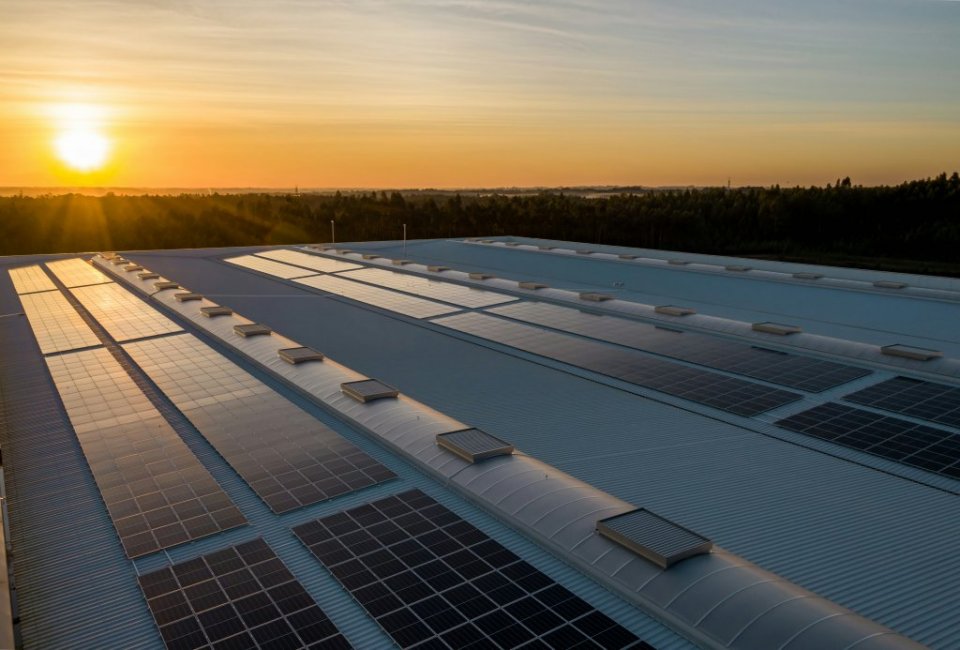
Spanish solar energy developers are increasingly seeking to divest projects as declining wholesale electricity prices erode profitability.
A combination of supportive state policy, plentiful sunshine and large areas of sparsely populated rural land has helped Spain emerge as one of Europe’s leading renewable energy markets.
However, the rapid expansion of solar generation has altered supply-and-demand conditions, putting pressure on revenues as electricity prices fall and the market becomes more crowded.
Some operators have begun trying to sell solar plants whose valuations have dropped sharply, though many are finding it difficult to complete transactions unless they first remove the weakest assets from their portfolios.
Carmen Izquierdo, co-founder of renewable asset marketplace nTeaser, described the current environment as ‘discount season” in Spain. ‘Spain remains a dynamic market, but there is greater scrutiny of assets,’ she told the Financial Times. ‘They are willing to sacrifice part of the portfolio to move the rest forward.’
Research from consultancy Alvarez & Marsal shows that the value of early-stage renewable projects — particularly those that are ready to be built — fell by more than 60% between 2021 and 2023, declining to between €50,000 and €90,000 per megawatt.
Surging solar generation has also contributed to a growing number of periods when electricity prices turn negative. During the first nine months of this year, the number of hours with prices below zero almost doubled compared with the same timeframe last year.
In a recent report, Alvarez & Marsal warned that an ‘excess of installed capacity, weaker-than-expected power demand and a gradual erosion of prices’ was calling into question the profitability of ‘numerous’ renewable energy developments.
Renewables have been a central pillar of policy under Spanish Prime Minister Pedro Sánchez, with clean energy sources now accounting for roughly 57% of national electricity output.
That strategy came under sharper political examination earlier this year following a major power blackout — the worst experienced in Europe in two decades — which prompted right-wing parties to challenge Spain’s growing dependence on renewable generation. ALSO READ: Spain’s opposition parties blame PM’s renewable energy policies for blackout.
Both the government and Red Eléctrica, the country’s grid operator, rejected claims that the outage was connected to renewables. Click here to read all our reports related to Spain’s blackout.
Against this shifting landscape, solar producers are facing difficult choices. Some are investing in battery storage at solar facilities to capitalise on price volatility, while others are seeking to sell assets, including to overseas buyers.
Madrid-based utility Endesa has completed the sale of significant stakes in two solar portfolios to Masdar, the Abu Dhabi state-owned energy group and one of the world’s largest renewable investors, over the past year. Together, the transactions were valued at around €1 billion.
Data from nTeaser, cited by the Financial Times, shows that average valuations for operational solar plants have fallen from €916,000 to €648,000 per megawatt since the beginning of last year.
Subscribe to the Weekly Newsletter from Spain in English.

Click here to get your business activity or services listed on our DIRECTORY.