
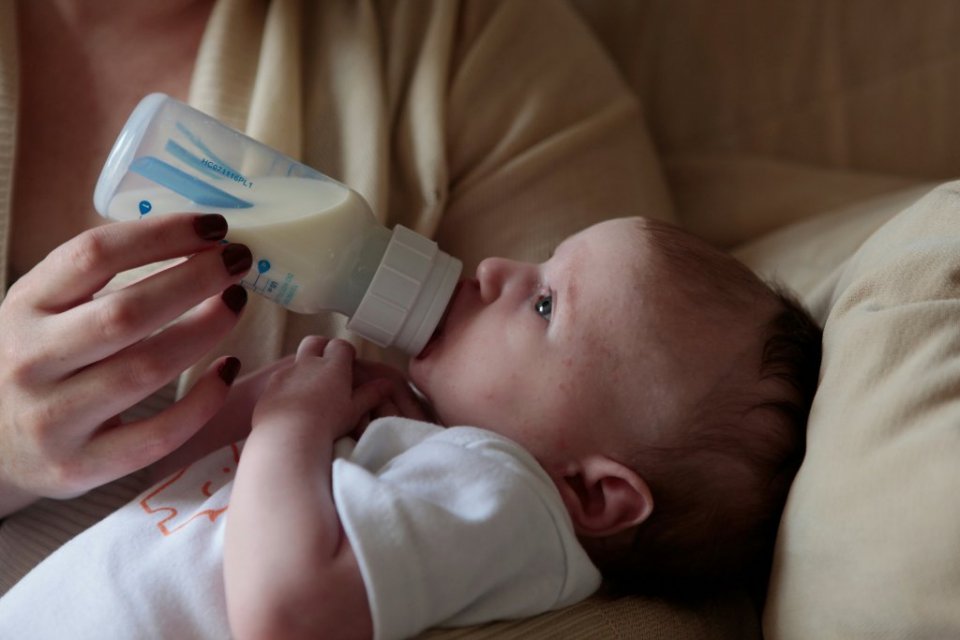
Five babies in Spain were hospitalised after suffering bouts of vomiting linked to the consumption of the same Nestlé infant formula that was found to contain a toxin produced by bacteria.
The information has come to light from an alert bulletin issued by the European Centre for Disease Prevention and Contro (ECDC), which had not previously been made public by Spanish authorities.
A further three infants experienced milder symptoms and were treated without requiring admission. The incidents occurred during December, according to Spanish media. The Health Ministry has said that all the infants have since recovered and have been discharged from hospital.
Despite the cases, Spain’s Health Ministry did not deem it necessary to issue a general public alert. It comes after the Ministry of Consumer Affairs had already published a ‘warning’ the previous week regarding the ‘possible presence of Bacillus cereus in powdered milk for infants’.
Nestlé has voluntarily withdrawn the Nidina infant formula involved after notifying authorities of a positive test result. The company stated that the issue was limited to a single batch (52900346AB), with a best-before date of October 2027.
According to the ECDC report, the eight cases of vomiting in Spain were possibly associated with consumption of the product. However, ‘none of the suspected cases have been confirmed in a laboratory,’ the report notes.
As testing for this toxin in faecal samples is not routine in Spain, the EU agency said it was unable to ‘establish a causal relationship between the clinical picture and the consumption’ of the formula.
Similar incidents have been recorded in other European countries, including Belgium (five cases), Denmark (an unspecified number), France (11 cases) and the United Kingdom (36 cases). Belgium was the only country to carry out a study assessing the link between the infant formula and reported symptoms, with all samples returning positive results.
Cereulide poisoning typically causes nausea, vomiting and abdominal pain, with symptoms appearing rapidly — sometimes within 30 minutes of consumption — though they may also develop up to six hours later.
In this instance, the contaminated ingredient was identified as arachidonic acid oil, an omega-6 fatty acid supplement. European authorities have said the primary risk for very young children is dehydration, adding that no serious cases have been reported.
The European Commission has asked the European Food Safety Authority (EFSA) to carry out research to determine the levels at which cereulide becomes hazardous for infants. In theory, contamination may result from bacteria surviving heat treatments during manufacturing, the use of contaminated raw ingredients of animal or plant origin, or exposure during production or packaging.
As a household precaution, authorities recommend preparing powdered infant formula with water heated to above 70°C. To prevent acute exposure and remain within safe intake limits, cereulide concentrations should not exceed 0.054 μg/L in infant formula and 0.1 μg/L in follow-on formula.
Subscribe to the Weekly Newsletter from Spain in English.

Please support us with a donation.
Click here to get your business activity or services listed on our DIRECTORY.